May 2024
With a few warnings in the last few weeks regarding potential power outages and New Zealand's major power distributor asking people to conserve energy at different times of the day, what can YOU do to survive this winter?
Since February, we have had warnings of potential rolling power cuts. Demand for power is increasing and generation is struggling to keep up.

So, what's behind this?
With the majority of our power being generated by mother nature, we are dependent on her to produce the amount of power we need to carry on our daily lives.
With what our national grid operator is calling an 'unseasonal cold snap' coupled with 'low wind generation', power supply can't keep up as more and more heat pumps and heaters come on. On top of that, there's EV charging, and everyone boils the jug at the same time for their morning cuppa. Unfortunately, getting into the colder months there's no guarantee that power generation will be up to the task and we could be having a case of Deja-vu.
What can you do?
It makes sense to reduce your power consumption, reducing your power lowers the monthly power bill. We all want to do it, especially as the cost of living increases. But sometimes it's just not practical to switch off. Below are a few options that can help in a power outage, and one of them can also lower your bills.
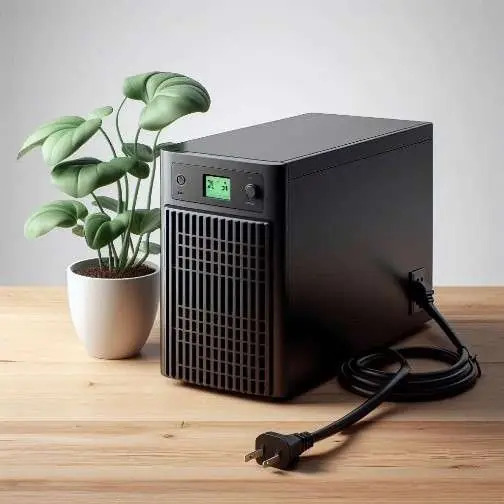
Uninterruptible power supplies (UPS)
A UPS is essentially a 230V (mains voltage) battery back-up. Businesses usually use them to keep servers and vital computers running during short power cuts. That gives time to power sensitive equipment down correctly or find an alternative supply. Depending on the size of the UPS and the draw of the appliances connected, a UPS can offer a few hours of back up. Usually long enough to ride out the shorter unexpected power cuts.
Don't expect to run the oven off a UPS, if you're hungry maybe break out the BBQ. However, a UPS can keep your security cameras going while the not so desirables are taking advantage of the outage. A UPS can also keep your internet going, nothing like a romantic night tucked up with your loved one watching your favourite show on your laptop by candle light right?
Generators
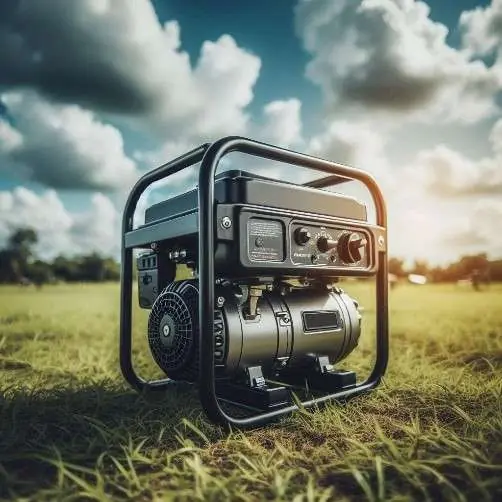
Generators can be handy in all sorts of emergencies. These were in high demand during cyclone Gabriel last year, they rely on access to either petrol or diesel. You can't simply plug one into the house and turn it on. Most houses need modifications before a generator can power them, so if you're looking into getting a generator for emergencies or power outages, give Roundhouse Electrical a call.
Generators come in a range of outputs, both in regards to how much power they create but also how 'clean' that power is. Some generators have large fluctuations when switching loads and sensitive equipment, like that little computer in your oven (everything has a computer these days) can get fried. For help selecting an appropriate generator, give Jamie a call and he will help sort you out.
If big enough, they can provide power for heating, cooking and TV. Generators can be noisy and could result in unwanted attention from your neighbours. They also produce deadly fumes if you run them inside, such as in an attached garage. Think about how much fresh air reaches the area before you run a generator there.
You also have to start a generator manually and switch the power over to it. Running on petrol or diesel they rely on a resource that can be scarce and expensive in emergency situations and you could get caught out in the cold and wet having to re-fuel them.
Solar power
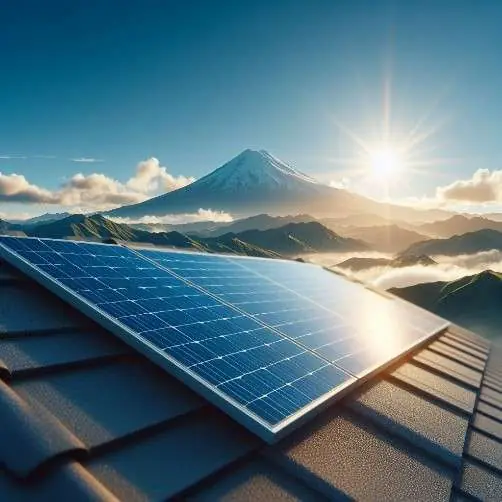
Solar is all the rage at the moment and is the best way to uninterrupted power. There are many ways of connecting solar to the home, with different costs and outcomes. The three main systems are grid-tied systems, hybrid systems, and fully off-grid systems.
A grid-tied system powers your house while the panels are getting sunlight. Any excess power goes back to the grid, and your power supplier buys it to offset your electricity costs. Unfortunately, with grid-tied, if the power goes out when the sun goes down; it's bedtime bub. No sun=no power with a grid-tied system and with the grid supply down, you'll be late for work. Your alarm clock won't run (who uses those things these days anyway, use your phone. No excuse for being late now), and your EV won't be charging either (heaps better excuse for being late, also you can lord it over your boss that you have an EV).
A hybrid system is the next step up, as the name suggests it still grid-tied, but also has battery storage. So you can charge that EV and boil the jug even when the grid can't supply to your neighbour.
With a completely off-grid system, you can say goodbye to monthly power bills. No mailbox needed for you now! A battery bank stores all the excess power you generate during the day for use when the sun goes down.
Worried the power is going to go out next time you microwave your baked beans for breakie? Give Jamie at Roundhouse Electrical a call to discuss options so you don't have to cook your beans over the fire in an oil drum.
Remember, for all electrical solutions 'Round the House, call Roundhouse Electrical.